
Nearly every American homeowner has faced the challenge of making interiors feel both inviting and unique. Scents do more than simply freshen a room—they shape memories, moods, and the overall character of a space. With a well-chosen fragrance collection, you can create a personalized sensory environment that supports relaxation, focus, and warmth, allowing your home to reflect your style and emotional needs.
Table of Contents
- What Defines A Fragrance Collection In Homes
- Types Of Fragrance Products And Their Roles
- How Scents Influence Mood And Ambiance
- Choosing The Right Collection For Your Space
- Common Mistakes When Curating Scents
Key Takeaways
| Point | Details |
|---|---|
| Fragrance Collections Enhance Atmosphere | A well-curated fragrance collection can transform living spaces into personalized environments that evoke specific emotions. |
| Select Scents by Room Functionality | Choose fragrances based on the intended use of each space to maximize comfort and sensory impact. |
| Avoid Common Curation Mistakes | Prevent overwhelming scents and clashing aromas by ensuring variety and strategic layering in your fragrance selections. |
| Adopt Seasonal and Emotional Adjustments | Rotate fragrances seasonally and align them with emotional needs to create a dynamic and responsive home environment. |
What Defines a Fragrance Collection in Homes
A fragrance collection represents a curated selection of scents strategically chosen to transform living spaces into personalized sensory environments. These collections go beyond simple air fresheners, functioning as sophisticated tools for emotional atmosphere management. Exploring the nuanced world of home fragrances reveals how carefully selected scents can dramatically alter room perceptions and emotional experiences.
Defining a fragrance collection involves understanding its core components. Typically, such a collection includes multiple scented products like candles, diffusers, room sprays, and reed diffusers that share complementary olfactory profiles. Homeowners might select collections based on seasonal themes, emotional intentions, or specific atmospheric goals. For instance, a summer collection might feature light, citrusy notes that evoke freshness, while a winter collection could emphasize warm, woody undertones that create a sense of comfort and intimacy.
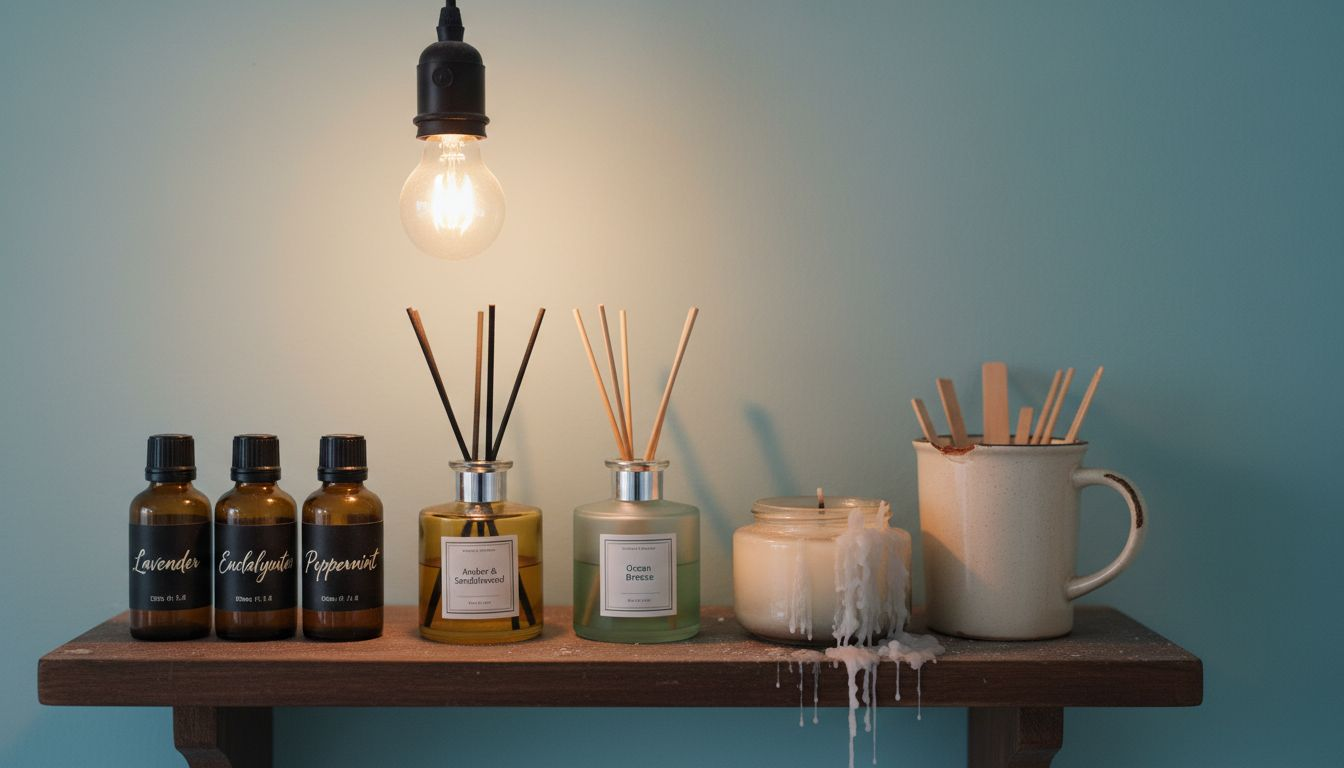
The art of building a fragrance collection requires thoughtful curation. Each scent should serve a specific purpose: creating calm in bedrooms, generating energy in home offices, or establishing welcoming environments in living areas. Professional interior designers often recommend selecting fragrances that not only smell appealing but also harmonize with existing decor, color schemes, and the home’s overall emotional landscape. By treating fragrance as an additional design element, homeowners can craft multisensory spaces that feel intentional and deeply personal.
Pro Tip: Strategic Scent Selection: When building your home fragrance collection, select 3-5 complementary scents that can be rotated based on mood, season, and specific room requirements to maintain olfactory interest and prevent sensory fatigue.
Types of Fragrance Products and Their Roles
Functional and decorative home fragrance products encompass a diverse range of options designed to transform living spaces through scent. Air fresheners represent a versatile category of fragrance products that provide multiple ways to introduce pleasant aromas and neutralize unwanted odors in homes. These products vary significantly in design, dispersal method, and intensity, allowing homeowners to customize their sensory environment with precision.
The primary types of fragrance products include:
- Candles: Provide ambient lighting and gradual scent release
- Reed Diffusers: Offer continuous, passive fragrance distribution
- Room Sprays: Deliver immediate, concentrated bursts of scent
- Plug-in Diffusers: Provide consistent fragrance through electrical heating
- Essential Oil Diffusers: Utilize water and essential oils for aromatherapeutic experiences
Each fragrance product serves unique roles within home environments. Traditional incense methods demonstrate how aromatic materials can transform atmospheric qualities, inspiring modern fragrance technologies to create more sophisticated scent experiences. Bedroom diffusers might focus on calming lavender notes, while kitchen sprays could emphasize fresh, clean citrus profiles. Professional interior designers increasingly view fragrance products as essential design elements that contribute to emotional ambiance and spatial perception.
Here’s a comparison of popular home fragrance product types and their ideal placement:
| Fragrance Type | Best Room Placement | Longevity | Added Benefit |
|---|---|---|---|
| Candles | Living room, dining area | 2-4 hours | Gentle lighting effect |
| Reed Diffusers | Bedroom, hallway | 1-2 months | Low maintenance, continuous scent |
| Room Sprays | Kitchen, bathroom | Instant, short-lived | Quick odor removal |
| Plug-in Diffusers | Home office, entryway | Weeks | Adjustable scent strength |
| Essential Oil Diffusers | Bedroom, wellness space | 2-8 hours | Aromatherapy advantages |
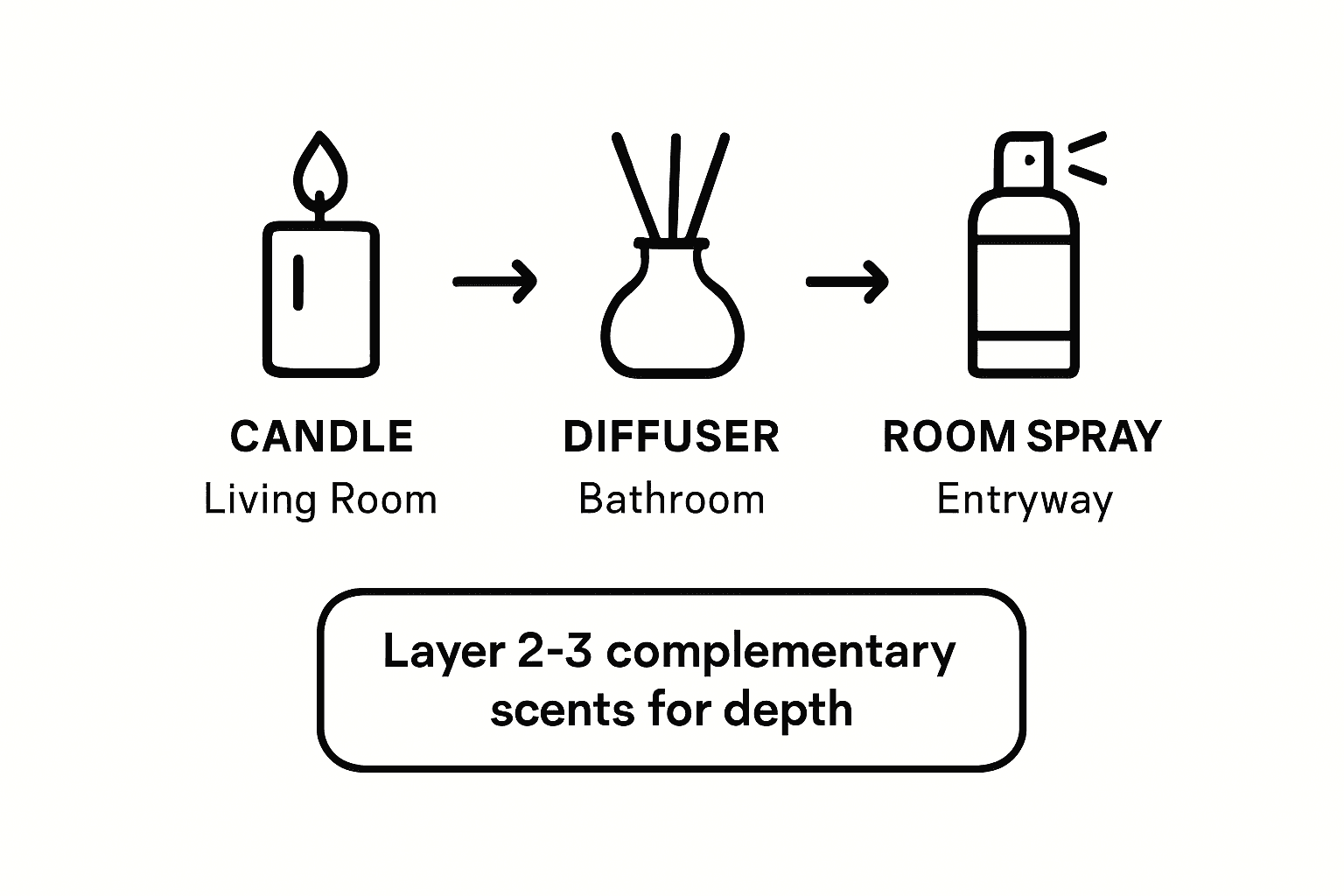
Pro Tip: Product Layering: Strategically combine 2-3 complementary fragrance products in each room to create depth, complexity, and a more nuanced sensory experience that adapts to different times of day and mood shifts.
How Scents Influence Mood and Ambiance
The psychological impact of fragrance extends far beyond mere pleasant aromas, deeply intertwining with human emotional experiences and neurological responses. Scent-scaping emerges as a sophisticated technique for creating intentional emotional landscapes within living spaces, strategically using different fragrances to define spatial boundaries and emotional territories.
Different scent families trigger specific psychological and physiological responses:
- Citrus Scents: Energize and promote mental clarity
- Lavender: Induces relaxation and reduces anxiety
- Vanilla: Creates feelings of comfort and warmth
- Peppermint: Stimulates focus and cognitive performance
- Sandalwood: Generates feelings of groundedness and calm
The neurological connection between scent and emotional state is rooted in our brain’s limbic system, which processes both smell and memory simultaneously. This intricate relationship means that fragrances can instantly transport individuals to specific memories, alter mood trajectories, and create powerful atmospheric transformations. Professional interior designers and psychologists increasingly recognize fragrance as a critical design element that goes beyond aesthetic appeal, serving as a nuanced tool for emotional engineering within living environments.
Pro Tip: Emotional Mapping: Create a deliberate fragrance strategy by matching specific scents to different rooms based on their intended emotional purpose, transforming your home into a dynamic, mood-responsive environment.
Choosing the Right Collection for Your Space
Selecting the perfect fragrance collection requires a nuanced approach that considers the unique characteristics of each living space. Comprehensive room freshener selection involves evaluating multiple critical factors beyond simple aesthetic preferences, including room size, existing decor, functional purpose, and desired emotional impact.
Key considerations for fragrance collection selection include:
-
Room Function: Match scents to specific area purposes
- Home Office: Sharp, focus-enhancing fragrances
- Bedroom: Calming, relaxation-oriented scents
- Living Room: Welcoming, balanced aromas
- Kitchen: Fresh, clean fragrance profiles
- Space Dimensions: Adjust fragrance intensity based on room size
- Personal Lifestyle: Align collections with daily rhythms and preferences
- Seasonal Variations: Rotate collections to complement changing environments
The art of fragrance selection transcends mere scent preference, emerging as a sophisticated design strategy that transforms living spaces into dynamic, emotionally responsive environments. Professional interior designers approach fragrance collections as integral elements of spatial design, carefully curating scent profiles that complement architectural elements, color schemes, and individual sensory experiences. By treating fragrances as layered design components, homeowners can create multisensory spaces that communicate mood, personality, and aesthetic sophistication.
Pro Tip: Fragrance Zoning: Create distinct olfactory experiences in different home areas by strategically selecting and rotating complementary fragrance collections that adapt to changing emotional and functional requirements.
Common Mistakes When Curating Scents
Crafting the perfect home fragrance collection requires more than simply selecting pleasant scents. Overlooking the strategic approach to scent zoning can lead to significant olfactory missteps that diminish the intended sensory experience and emotional impact of your home environment.
The most prevalent mistakes in fragrance curation include:
- Overwhelming Intensity: Using too strong or concentrated fragrances that dominate living spaces
- Lack of Variety: Selecting identical scents throughout the home
- Ignoring Room Functionality: Applying inappropriate fragrances for specific areas
- Inconsistent Scent Profiles: Mixing conflicting fragrance families
- Neglecting Seasonal Transitions: Failing to adapt scent collections to changing environments
- Overcrowding Scent Spaces: Introducing too many competing fragrances
Professional fragrance designers emphasize the importance of understanding scent interactions and psychological impacts. Each fragrance product should serve a deliberate purpose, creating a harmonious sensory landscape that supports emotional well-being and spatial aesthetics. Successful scent curation requires a sophisticated understanding of fragrance layering, considering factors like molecular complexity, emotional resonance, and the subtle interactions between different aromatic compounds. By treating fragrances as dynamic design elements rather than static decorative choices, homeowners can transform their living spaces into nuanced, emotionally intelligent environments.
Consider these common mistakes and recommended solutions for better fragrance curation:
| Mistake | Impact on Space | Solution |
|---|---|---|
| Overpowering scent | Causes discomfort, headaches | Use lighter, subtler aromas |
| Mixing clashing scents | Disrupts ambiance | Choose scents from same family |
| Ignoring seasonality | Feels out of sync | Rotate fragrances by season |
| Not considering room function | Reduces effectiveness | Match scent to intended mood |
| No scent layering | Flat sensory experience | Combine 2-3 products per room |
Pro Tip: Scent Calibration: Conduct periodic fragrance assessments by periodically stepping outside your home and re-entering to objectively evaluate your scent collection’s overall balance and impact.
Create a Personalized Fragrance Collection That Transforms Your Home
Struggling to find the perfect balance of scents that enhance your living spaces’ mood and ambiance? The article reveals how strategic scent selection and fragrance layering can address common challenges like overpowering smells and inconsistent scent profiles. By curating a thoughtful collection that suits your home’s unique needs—whether for relaxation, focus, or welcoming guests—you unlock the power of scent-scaping to create emotional zones throughout your rooms.
At Aromel Scents, we make building your ideal fragrance collection simple and enjoyable. Explore our wide range of Fragrances and elevate your sensory environment with carefully crafted scents. Combine them with elegant Diffusers to maintain a consistent and calming atmosphere or choose from our curated Bundles that offer perfectly matched scent experiences at discounted prices.

Experience the emotional transformation that a well-curated fragrance collection can bring. Visit Aromel Scents today to shop and start creating a home ambiance that truly reflects your personality and lifestyle. Don’t wait to scent your home with intention and care—your perfect fragrance journey begins now.
Frequently Asked Questions
What are the main benefits of having a fragrance collection in my home?
A fragrance collection enhances the sensory experience of your living space by creating personalized atmospheres that can influence mood and emotions. Carefully curated scents can also complement your home decor, making your environment feel more intentional and inviting.
How do I choose the right scents for different rooms in my home?
When selecting scents, consider the function of each room: use invigorating fragrances like citrus in home offices for focus, calming scents like lavender in bedrooms for relaxation, and fresh aromas in kitchens to maintain cleanliness. Match the scent’s emotional impact with the natural functions of each space.
What are the different types of home fragrance products available?
Home fragrance products include candles, reed diffusers, room sprays, plug-in diffusers, and essential oil diffusers. Each type serves unique functions; for example, candles provide ambient lighting, while reed diffusers continuously release scent without the need for flames.
How can I avoid common mistakes when curating my fragrance collection?
To avoid common mistakes, ensure you don’t use overpowering scents, mix incompatible fragrances, or neglect the seasonal rotation of scents. Choose fragrances that align with room functions and layer scents thoughtfully to create a balanced olfactory experience.