
Over 80 percent of American households use scented products to personalize their living spaces and express individual style. Scent collections have evolved far beyond trends or luxury, shaping everything from home ambiance to gifting traditions. Discover how curated fragrance choices can tell your story, reflect personality, and avoid common misconceptions that many American enthusiasts still make.
Table of Contents
- Defining Scent Collections And Common Misconceptions
- Key Types Of Scented Products Explained
- How Scent Collections Enhance Home Ambiance
- Practical Uses And Gifting Options For Scents
- Mistakes To Avoid In Choosing Aromas
Key Takeaways
| Point | Details |
|---|---|
| Importance of Scent Collections | Scent collections serve as personal storytelling tools, reflecting individuality and emotional experiences through curated fragrances. |
| Diverse Scented Products | Scented products vary widely, from personal perfumes to home fragrances, each enhancing specific environments and experiences. |
| Atmospheric Impact | Thoughtfully selected scents can dramatically alter a home’s ambiance, invoking emotions, memories, and enhancing personal spaces. |
| Common Mistakes in Selection | Avoid overwhelming sensory experiences by carefully curating scents based on wearer’s preferences, environmental contexts, and fragrance interactions. |
Defining Scent Collections and Common Misconceptions
A scent collection represents a curated group of fragrances designed to evoke specific emotions, memories, or sensory experiences. Far from being a simple assortment of random perfumes, these collections are carefully crafted selections that reflect personal style, aesthetic preferences, and olfactory journeys. Unique fragrance libraries have emerged that challenge traditional perfumery by capturing extraordinary everyday scents, expanding our understanding of what a fragrance can represent.
Contrary to popular belief, scent collections are not merely about acquiring expensive perfumes. They function as personal storytelling tools, where each fragrance serves as a narrative chapter. Some collections focus on geographic inspirations, while others explore emotional landscapes or sensory memories. Gourmand fragrances, for instance, have transformed from simple dessert-like scents to sophisticated olfactory experiences that capture complex sensory profiles.
Scent collections can be organized through various approaches: by mood, season, occasion, or personal preference. Enthusiasts might curate collections that include warm winter fragrances, light summer scents, professional workspace perfumes, and intimate evening aromas. The value of a scent collection lies not in its monetary worth, but in its ability to communicate personal identity and emotional depth through carefully selected fragrances.
Pro Tip: Start building your personal scent collection by selecting 3-5 fragrances that represent different aspects of your personality and lifestyle, ensuring versatility and personal expression through your olfactory choices.
Key Types of Scented Products Explained
Scented products come in diverse forms, each designed to enhance ambient environments and personal experiences. Perfumes and eau de toilette represent the most personal category, with light scented fragrances traditionally applied directly to skin after bathing, offering individual sensory expression through carefully crafted aromatic profiles.
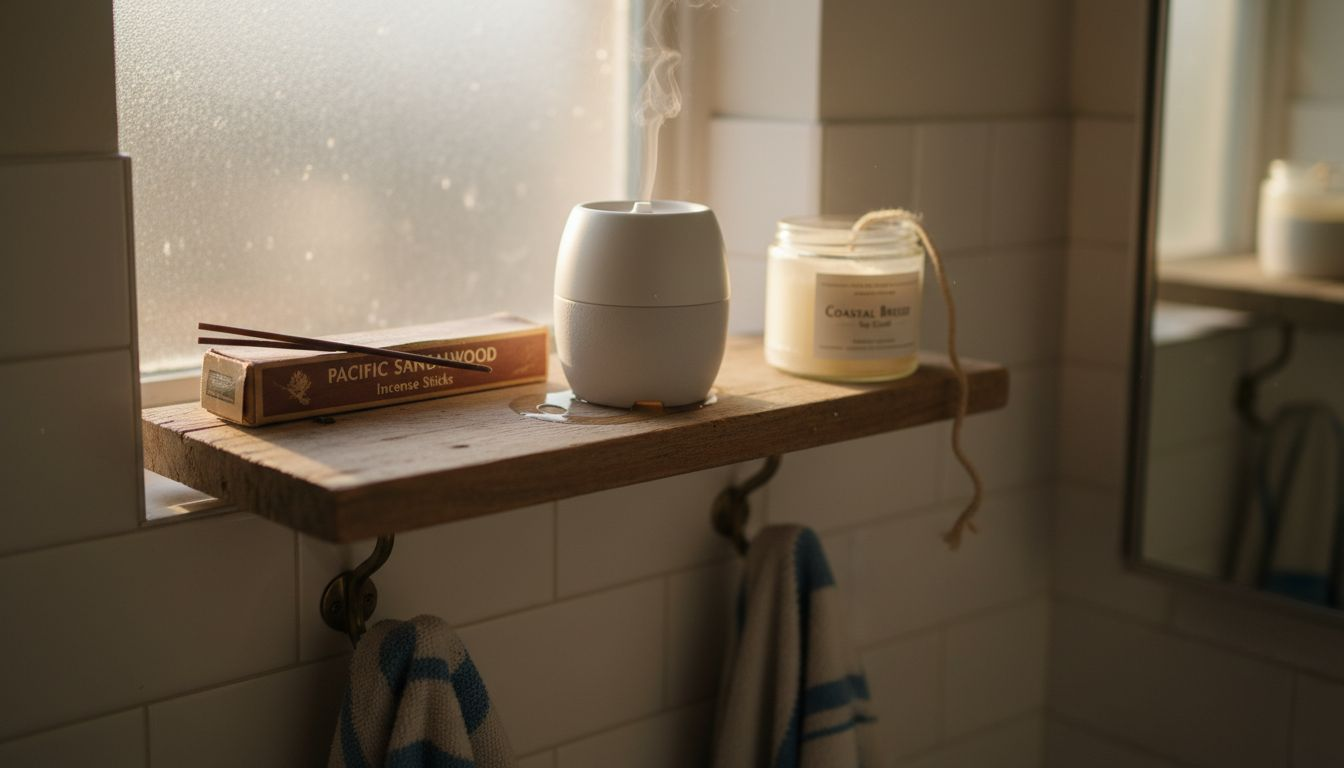
Home fragrance options extend well beyond personal scents. Air freshening products provide versatile solutions for creating pleasant atmospheres, including sprays, plug-ins, gels, and reed diffusers. These items serve multiple functions: eliminating unpleasant odors, creating mood-specific environments, and transforming living spaces through strategic aromatic interventions.
The spectrum of scented products includes specialized categories tailored for different purposes. Candles offer warm, ambient lighting with fragrance, room sprays provide quick aromatic updates, essential oil diffusers enable customizable scent experiences, and car air fresheners maintain pleasant transportation environments. Each product type brings unique characteristics, allowing consumers to curate personalized sensory experiences across various contexts.
Here’s a comparison of popular scented product types and their best-use scenarios:
| Scented Product Type | Ideal Usage Location | Distinct Benefit |
|---|---|---|
| Perfume | Personal/body | Signature scent expression |
| Reed Diffuser | Living room/bedroom | Continuous subtle fragrance delivery |
| Candle | Living room/bathroom | Adds ambiance with gentle aroma |
| Essential Oil Diffuser | Wellness or relaxation area | Customizable and therapeutic scents |
| Room Spray | Any indoor space | Quick, instant aromatic refresh |
| Car Air Freshener | Vehicle interior | Maintains freshness during travel |
Professional Tip: Select scented products that complement each other without overwhelming the space, focusing on balanced fragrance intensity and considering the specific emotional atmosphere you want to create.
How Scent Collections Enhance Home Ambiance
Scent collections transform living spaces by creating sophisticated sensory landscapes that go beyond simple fragrance. Strategic placement of carefully selected scents can dramatically alter the emotional atmosphere of a home, making rooms feel more welcoming, relaxing, or energizing. Candle warmers represent an innovative approach to safely distributing fragrances, allowing homeowners to enjoy complex aromas without traditional open flame risks.
Different rooms benefit from unique fragrance approaches. Living areas might feature woody or herbal scents that create a grounded, sophisticated environment, while bedrooms could incorporate calming lavender or vanilla notes promoting relaxation. Kitchens often work well with citrus or fresh herb fragrances that neutralize cooking odors and create a clean, inviting atmosphere. Household odor eliminators further support these efforts by neutralizing underlying unpleasant smells and providing a consistent background fragrance.
The psychological impact of scent collections extends beyond aesthetic appeal. Specific fragrances can trigger memories, reduce stress, and even influence mood and productivity. A well-curated scent collection becomes more than decoration - it’s a carefully designed sensory experience that communicates personal style and emotional intention throughout living spaces.
Professional Tip: Create a seasonal scent rotation that adapts your home’s aromatic profile, using lighter, fresher scents in spring and summer, and warmer, richer fragrances during fall and winter to maintain a dynamic and responsive home environment.
Practical Uses and Gifting Options for Scents
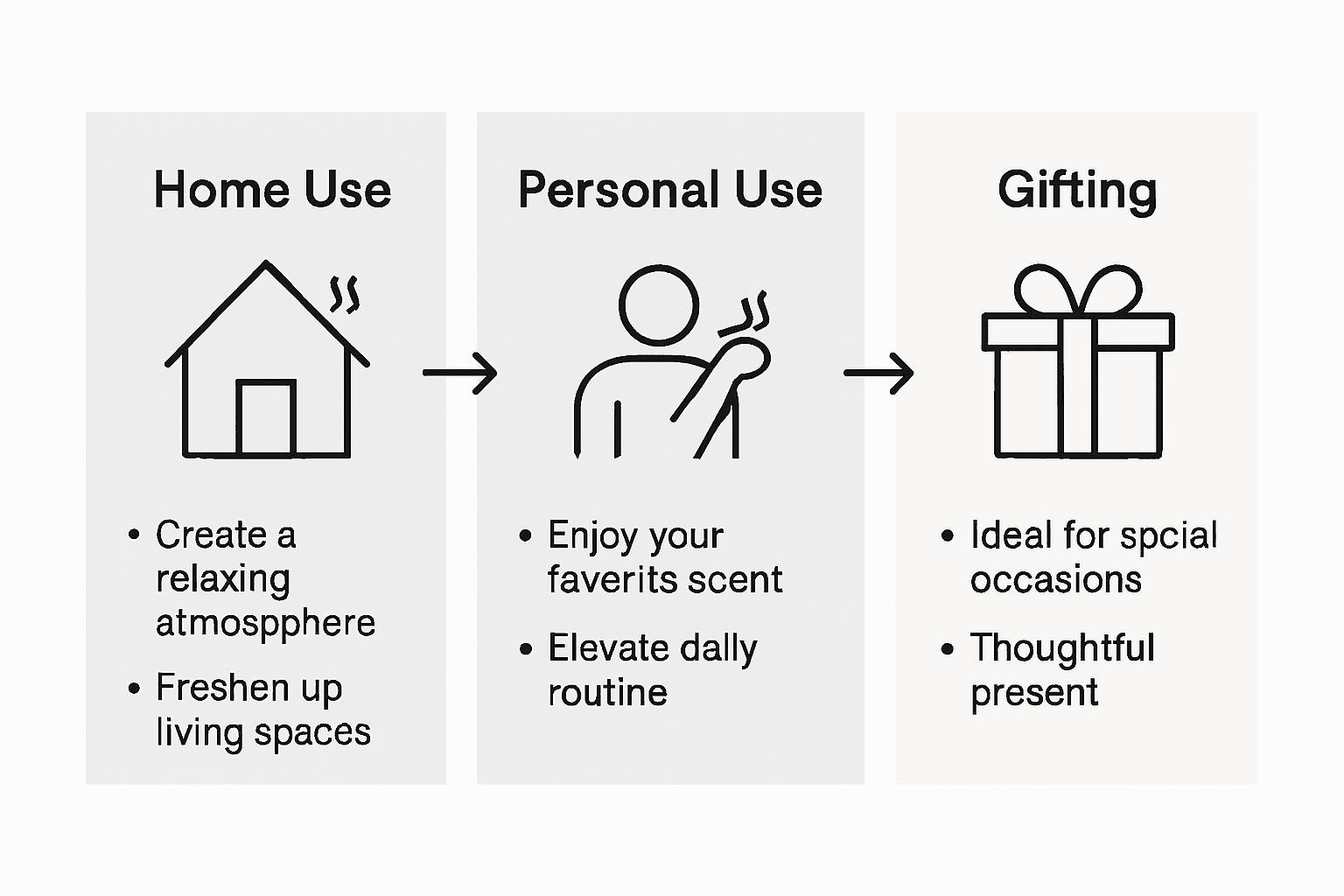
Fragrance collections offer remarkable versatility as thoughtful gifts for various occasions and relationships. Solid perfumes represent an innovative gifting option, particularly appreciated by travelers and fragrance enthusiasts. These compact, stylish products provide portability and discretion, allowing recipients to enjoy sophisticated scents without bulky packaging or potential spills.
Gifting strategies for scent collections extend beyond traditional perfume selections. Professional settings might appreciate subtle, sophisticated fragrances that communicate elegance without overwhelming colleagues. Romantic gifts can focus on intimate, personal scents that reflect deep understanding of the recipient’s preferences. Special occasions like birthdays, anniversaries, and holidays provide perfect opportunities to curate personalized fragrance experiences that demonstrate thoughtfulness and emotional connection.
Beyond personal gifting, scent collections serve practical functions in professional and personal environments. Wellness spaces, corporate offices, and hospitality settings can use carefully selected fragrances to create specific atmospheric experiences. Fragrance awards provide excellent guidance for identifying standout scents that represent quality and innovation, helping gift-givers make informed selections across different categories and styles.
Professional Tip: When selecting scents as gifts, consider the recipient’s lifestyle, personal style, and typical environments to choose fragrances that will genuinely resonate and be appreciated.
Mistakes to Avoid in Choosing Aromas
Building a scent collection requires nuanced understanding and strategic selection to avoid common pitfalls. Understanding the fragrance wheel helps individuals prevent olfactory clashes, ensuring complementary and harmonious scent combinations. Amateur collectors often make the mistake of selecting fragrances randomly without considering how different notes interact and complement each other.
Differentiating between natural and synthetic fragrance oils proves critical in avoiding potential allergic reactions and ensuring authentic scent experiences. Many individuals unknowingly purchase fragrances without considering individual sensitivities, skin chemistry, or potential respiratory reactions. Complex fragrance profiles demand careful consideration of ingredient composition, concentration levels, and potential interactions with personal body chemistry.
Additionally, common mistakes include overwhelming spaces with too many competing scents, failing to rotate fragrances seasonally, and neglecting the importance of subtle, balanced aromatics. Successful scent collections require understanding personal preferences, environmental contexts, and the psychological impact of different fragrance families. Individuals must learn to curate collections that communicate mood, enhance environments, and reflect personal identity without creating sensory chaos.
Here’s a summary of common mistakes in scent collection and how to avoid them:
| Mistake | Potential Downside | Recommended Solution |
|---|---|---|
| Overloading with too many scents | Sensory overwhelm or fragrance clash | Limit number and layer carefully |
| Ignoring skin chemistry or sensitivities | Allergic reactions or off-putting scent | Test on skin before full use |
| Not rotating fragrances seasonally | Lack of freshness or monotony | Adapt scents to seasons |
| Neglecting fragrance balance in shared spaces | Discomfort for others | Choose mild, universally pleasant notes |
Professional Tip: Always test fragrances on your skin and in your specific environment before committing to a full collection, as scents can dramatically transform between testing and actual usage.
Elevate Your Personal and Home Scent Collection Today
Crafting a scent collection is about more than just owning fragrances. It is a way to express identity, evoke emotions, and enhance every space with carefully chosen aromas. If you find selecting the perfect scent challenging or worry about fragrance clashes and overwhelm, Aromel Scents offers ready-made solutions to simplify your journey. Explore our curated Bundles – Aromel to start building a balanced, harmonious scent collection designed for everyday life.

Discover how stylish Candles – Aromel and elegant Diffusers – Aromel can transform your home ambiance with subtle warmth and continuous fragrance. Shop now at Aromel Scents and enjoy free shipping on orders over $50. Take control of your scent story and create atmospheres that truly reflect your personality and lifestyle today.
Frequently Asked Questions
What is a scent collection?
A scent collection is a curated group of fragrances designed to evoke specific emotions, memories, or sensory experiences, reflecting personal style and olfactory journeys.
How can scent collections enhance a home’s ambiance?
Scent collections can create sophisticated sensory landscapes in the home, altering emotional atmospheres by strategically placing fragrances that make rooms feel welcoming, relaxing, or energizing.
What are the different types of scented products?
Scented products include perfumes, eau de toilette, candles, room sprays, essential oil diffusers, and car air fresheners, each serving unique purposes for personal and ambient scent experiences.
What mistakes should I avoid when building my scent collection?
Common mistakes include selecting too many competing fragrances, ignoring skin chemistry, not rotating scents seasonally, and neglecting the balance of fragrances in shared spaces.
Recommended
- What Is a Fragrance Collection? Complete Overview – Aromel
- Fragrance Collections Explained: Key Benefits and Uses – Aromel
- Fragrance Selection Process: Choose the Perfect Scent – Aromel
- Candle Collection Explained: Complete Guide for 2025 – Aromel
- Types of Cosmetic Ingredients: Complete Guide – Luméra Cosmetica