
Over 80 percent of American homeowners factor scent into their vision of the perfect home ambiance. From subtle fragrance layers in a Paris apartment to invigorating citrus notes in a Toronto loft, the art of scent diffusion is transforming living spaces across the globe. Whether you prefer the precision of advanced ultrasonic diffusers or the gentle charm of reed systems, understanding how aromatic molecules enhance rooms equips you to create a unique sanctuary that feels both luxurious and personal.
Table of Contents
- Core Concept Of Scent Diffusion
- Major Types Of Scent Diffusers
- How Scent Diffusion Technology Works
- Practical Benefits And Real-Life Uses
- Risks, Safety, And Common Mistakes
Key Takeaways
| Point | Details |
|---|---|
| Understanding Scent Diffusion | Scent diffusion involves the strategic release of aromatic molecules that influence human perception and emotions through various methods like ultrasonic and nebulizing diffusers. |
| Diffuser Selection | Choose the appropriate diffuser type based on the size of your space and desired fragrance intensity to create a harmonious atmosphere. |
| Psychological Benefits | Scent diffusion can enhance mood and cognitive performance; select fragrances intentionally for specific environments to maximize their beneficial effects. |
| Safety Considerations | Be aware of the potential risks of overexposure to essential oils; always use low concentrations and ensure adequate ventilation when diffusing fragrances. |
Core Concept of Scent Diffusion
Scent diffusion represents a sophisticated process of transforming indoor environments through strategic aromatic molecule distribution. At its core, this phenomenon involves releasing volatile compounds into ambient air, creating sensory experiences that profoundly influence human perception and emotional states. Molecular dynamics of airborne aromatic compounds demonstrate how precise physical principles govern the spread of fragrance molecules throughout interior spaces.
The mechanism of scent diffusion relies on fundamental scientific principles of evaporation and air current interaction. When essential oils or fragrance compounds are introduced into an environment, they rapidly transition from liquid to gaseous states, enabling widespread dispersal. These molecules travel through air currents, creating intricate patterns of distribution that determine how thoroughly a space becomes saturated with a particular aroma. Psychological mechanisms of scent perception reveal that this process is not merely physical but deeply intertwined with human neurological and emotional responses.
Understanding scent diffusion requires recognizing its multisensory nature. Different diffusion methods—such as reed diffusers, electric atomizers, and heat-based systems—each offer unique approaches to releasing fragrances. These technologies manipulate molecular movement, controlling factors like particle size, dispersion rate, and concentration to create tailored sensory experiences. The goal transcends simple odor introduction; it involves carefully crafting atmospheric environments that engage multiple sensory pathways simultaneously.
Pro tip: Select diffusion methods that match your room size and desired fragrance intensity to optimize scent distribution and create harmonious indoor environments.
Major Types of Scent Diffusers
The world of scent diffusion offers several sophisticated technologies, each delivering unique aromatic experiences through distinct mechanisms. Comprehensive diffuser technology analysis reveals six primary diffuser categories: ultrasonic, nebulizing, evaporative, heat-based, reed, and passive systems. These technologies transform how we experience fragrance, providing nuanced approaches to distributing aromatic molecules throughout indoor spaces.
Ultrasonic and nebulizing diffusers represent the most advanced technologies in scent distribution. Ultrasonic diffusers use high-frequency vibrations to break essential oils into microscopic particles, creating a fine mist that disperses quickly and evenly. Nebulizing diffusers, in contrast, use pressurized air to atomize pure essential oils without water, delivering the most concentrated and therapeutic fragrance experience. These methods excel in spaces requiring rapid, intense scent saturation, making them ideal for larger rooms or therapeutic environments.
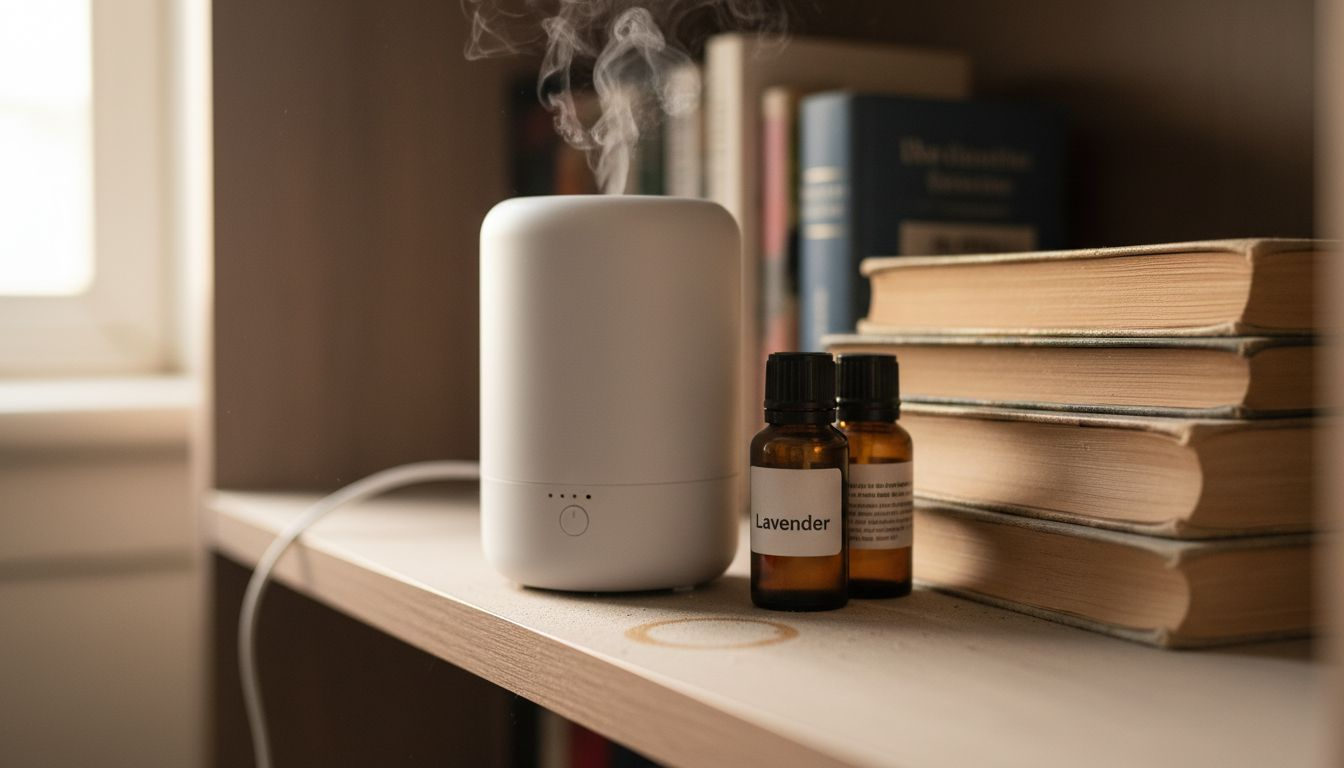
Traditional diffusion methods like reed, evaporative, and heat-based systems offer more passive approaches to fragrance distribution. Reed diffusers utilize natural wooden sticks to slowly draw and release fragrance, providing a consistent but subtle aromatic presence. Evaporative diffusers leverage simple air movement to spread scent, while heat-based systems use warming techniques to accelerate molecular dispersion. Each method presents unique advantages, allowing users to select technologies that best match their specific space, aesthetic preferences, and desired intensity of fragrance.
Pro tip: Consider your room size, desired fragrance intensity, and aesthetic preferences when selecting a diffusion method to ensure optimal scent distribution and ambiance creation.
Here is a comparison of the six main types of scent diffusers and their key attributes:
| Diffuser Type | Dispersion Mode | Ideal Space Size | Noise Level |
|---|---|---|---|
| Ultrasonic | Water-based mist | Medium to large | Quiet |
| Nebulizing | Pure oil atomization | Large | Moderate |
| Evaporative | Airflow evaporation | Small to medium | Silent |
| Heat-Based | Heated evaporation | Small | Silent |
| Reed | Capillary action | Small | Silent |
| Passive | Natural diffusion | Very small | Silent |
How Scent Diffusion Technology Works
Scent diffusion is a sophisticated process involving intricate molecular interactions and precise physical principles. Fundamental fragrance molecular dynamics demonstrate how volatile compounds move from areas of high concentration to low concentration, creating complex pathways of aromatic distribution. This scientific mechanism relies on multiple factors including molecular weight, air currents, temperature, and environmental conditions that influence how fragrances spread and persist in indoor spaces.
The technological interfaces driving modern scent diffusion have evolved dramatically, incorporating advanced sensors and programmable systems. Contemporary diffusion interface design reveals sophisticated mechanisms that enable precise control over aroma release, allowing users to create customized sensory experiences. Smart diffusion technologies now integrate microprocessors and environmental sensors that can adjust fragrance intensity, duration, and dispersion pattern based on real-time atmospheric conditions, transforming scent distribution from a passive to an actively managed process.
Understanding scent diffusion requires recognizing the interplay between molecular behavior and technological intervention. Different diffusion methods manipulate physical principles like evaporation, air current dynamics, and molecular partitioning to create controlled aromatic environments. Ultrasonic technologies break essential oils into microscopic particles, nebulizing systems atomize pure compounds, and heat-based methods accelerate molecular movement, each approach offering unique advantages in distributing fragrances throughout living spaces.
Pro tip: Select diffusion technologies that offer programmable features and environmental adaptability to create more dynamic and responsive aromatic experiences in your home.
Practical Benefits and Real-Life Uses
Scent diffusion extends far beyond simple room fragrance, offering profound psychological and functional benefits across various environments. Comprehensive psychological impact studies reveal that strategic scent implementation can significantly influence mood, cognitive performance, and emotional well-being. From professional workspaces to personal living areas, aromatic interventions demonstrate remarkable potential in modulating human experience through carefully selected fragrance technologies.
In professional and educational settings, scent diffusion becomes a powerful tool for performance optimization. Research indicates that specific aromatic compounds can enhance concentration, reduce stress, and improve learning outcomes. Lavender and citrus fragrances, for instance, have been documented to decrease workplace anxiety, while peppermint and rosemary scents can boost cognitive alertness and memory retention. This scientific approach transforms scent from a mere aesthetic element into a sophisticated environmental management strategy, enabling targeted sensory interventions that support mental performance and emotional regulation.
Personal living spaces represent another critical domain where scent diffusion technologies provide transformative benefits. Home environments can leverage aromatherapy to create specific emotional landscapes—calming spaces for relaxation, energizing areas for morning routines, or romantic atmospheres for intimate settings. Different rooms can be strategically scented to support their primary functions: chamomile in bedrooms to promote sleep, citrus in home offices to maintain productivity, and welcoming blends in living areas to create inviting social environments. These targeted aromatic approaches allow individuals to consciously design their sensory experience, turning scent into a powerful tool for environmental and emotional management.
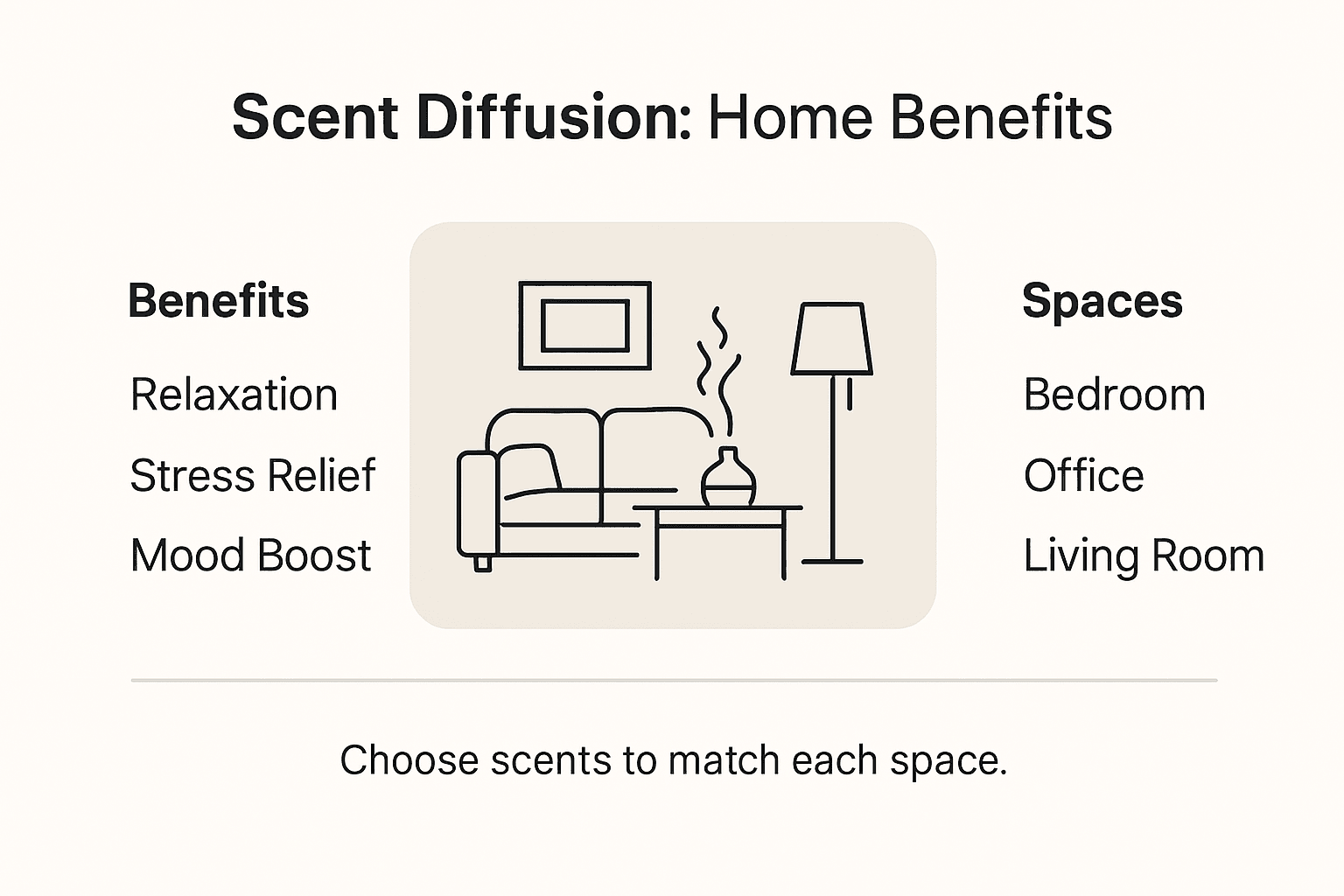
Pro tip: Experiment with different scent profiles in various home spaces, matching fragrances to room functions and desired emotional outcomes to create a more intentional living environment.
Risks, Safety, and Common Mistakes
Essential oil diffusion requires careful consideration of potential health and safety risks. Comprehensive essential oil safety guidelines highlight critical precautions necessary for responsible scent management, particularly for vulnerable populations like children, elderly individuals, and those with pre-existing health conditions. Understanding these risks is crucial for creating safe and enjoyable aromatic environments that minimize potential negative interactions.
Certain common mistakes can compromise the safety and effectiveness of scent diffusion technologies. Overexposure to essential oils can lead to respiratory irritation, allergic reactions, and potential chemical sensitivities. Users often underestimate the potency of concentrated essential oils, leading to excessive diffusion that can cause headaches, nausea, and respiratory distress. Specific risks emerge from improper dilution, prolonged continuous exposure, and using inappropriate diffusion methods in enclosed spaces with limited ventilation. Particular caution is required around pets, infants, and individuals with respiratory conditions like asthma or chronic obstructive pulmonary disease.
Professional recommendations emphasize strategic approaches to mitigate potential risks associated with scent diffusion. This includes carefully selecting high-quality, pure essential oils from reputable sources, maintaining appropriate dilution ratios, and implementing intermittent diffusion cycles that prevent sensory overload. Proper device maintenance, regular cleaning of diffusion equipment, and understanding individual sensitivities are critical components of responsible aromatherapy practice. Users should always conduct patch tests, consult healthcare professionals when managing specific health conditions, and remain attentive to individual and environmental responses to different fragrances.
Below is a summary of common scent diffusion mistakes and effective prevention tips:
| Common Mistake | Prevention Strategy |
|---|---|
| Overexposure to essential oils | Use low concentrations and shorter sessions |
| Inadequate ventilation | Ensure regular air circulation |
| Poor oil quality selection | Choose reputable, pure essential oils |
| Neglecting device maintenance | Perform routine cleaning of equipment |
| Using around sensitive individuals | Consult professionals for advice |
Pro tip: Start with low concentration essential oil blends and short diffusion intervals, gradually adjusting based on personal tolerance and environmental factors to ensure safe and enjoyable aromatic experiences.
Elevate Your Home Ambiance with Expertly Designed Scent Diffusers
Transforming your living space into a sanctuary starts with understanding the science of scent diffusion. If you want to master the art of aroma distribution and create personalized, mood-enhancing environments, choosing the right diffuser is essential. Whether you seek calm, energy, or focus, our carefully curated Diffusers – Aromel collection offers advanced options that match your room size and fragrance intensity preferences.

Experience the difference that thoughtful scent technology makes by exploring our Bundles – Aromel to find complete aromatic solutions designed to fit your lifestyle and emotional goals. Don’t wait to enjoy the benefits of controlled, safe, and beautifully dispersed fragrances. Visit Aromel Scents now to discover exclusive discounts and free shipping offers on orders over $50. Create your perfect ambiance today.
Frequently Asked Questions
How does scent diffusion work?
Scent diffusion works by releasing volatile aromatic molecules into the air, allowing them to spread throughout indoor spaces. This process involves evaporation, air currents, and molecular dynamics that determine how fragrances are distributed and perceived in an environment.
What are the different types of scent diffusers?
There are six primary types of scent diffusers: ultrasonic, nebulizing, evaporative, heat-based, reed, and passive systems. Each type has unique mechanisms for fragrance distribution, catering to different room sizes and desired scent intensities.
What are the benefits of using scent diffusion in my home?
Scent diffusion can enhance mood, reduce stress, improve concentration and cognitive performance, and create an inviting atmosphere in living spaces. By strategically selecting fragrances, individuals can craft specific emotional environments tailored to each room’s purpose.
What safety precautions should I take when using essential oils for scent diffusion?
Safety precautions include using high-quality essential oils, maintaining proper dilution ratios, ensuring adequate ventilation, and avoiding overexposure. It’s also important to consider individual sensitivities and consult healthcare professionals if health concerns exist.