
Over half of American households use at least one fragrance product every day, shaping how each room feels and functions. Scent is more than a background detail. It can subtly shift emotions, spark memories, and define the comfort of a space. Understanding fragrance in interiors reveals how scents influence mood, well-being, and even productivity, helping create an environment that truly feels like home.
Table of Contents
- Defining The Role Of Fragrance In Interiors
- Popular Scent Families And Their Effects
- Methods For Incorporating Fragrance At Home
- Psychological And Emotional Impact Of Scents
- Common Mistakes To Avoid With Interior Fragrances
Key Takeaways
| Point | Details |
|---|---|
| Role of Fragrance | Fragrance serves as a powerful design element that influences mood, perception, and emotional experiences in interior spaces. |
| Scent Family Effects | Different scent families trigger specific psychological responses, such as relaxation or energy, making strategic selection essential. |
| Fragrance Integration Methods | Diffusers, candles, and natural elements are effective methods for incorporating fragrance, enhancing sensory experiences in homes. |
| Common Mistakes to Avoid | Avoid overwhelming scent intensities and mismatched fragrances for rooms to create harmonious and supportive environments. |
Defining the Role of Fragrance in Interiors
Fragrances are far more than pleasant scents in interior spaces. They represent a sophisticated design element that profoundly influences human perception, emotional experiences, and environmental interactions. Psychological research on ambient scents demonstrates that carefully selected fragrances can transform living spaces from mere physical environments into emotionally resonant experiences.
In interior design, fragrance functions as a multisensory tool that goes beyond visual aesthetics. Scents create invisible layers of atmosphere, triggering deep psychological responses and memory associations. When strategically integrated, fragrances can modify room perception, influence mood, and even impact behavioral patterns. Architectural studies suggest that olfactory elements are crucial in creating holistic sensory environments that engage occupants more comprehensively than traditional design approaches.
The strategic application of fragrance involves understanding complex interactions between scent molecules and human neurological responses. Olfactory design requires nuanced selection considering factors like room size, ambient temperature, furniture materials, and intended emotional outcomes. Some fragrances promote relaxation in bedrooms, while others stimulate productivity in home offices or create welcoming atmospheres in living areas. Architectural integration of ambient scenting reveals that successful fragrance implementation is both an art and a scientific discipline.
Pro Tip for Fragrance Integration: Start with subtle, neutral scents in main living spaces and gradually experiment with more distinctive fragrances in specific rooms, allowing each area to develop its unique sensory personality without overwhelming the overall home atmosphere.
Key Considerations in Fragrance Design:
- Match fragrance intensity to room size and purpose
- Consider seasonal variations in scent perception
- Understand individual sensory preferences
- Balance fragrance with existing interior design elements
Popular Scent Families and Their Effects
Fragrance selection is a nuanced art that goes beyond simple pleasant aromas. Consumer preference research reveals that different scent families trigger specific psychological and emotional responses, making them powerful tools in interior design and personal wellness.
Floral Scent Family Floral fragrances represent the most versatile and widely appreciated scent category. Lavender, rose, and jasmine are classic examples that evoke feelings of tranquility and elegance. Workplace performance studies suggest these scents can reduce work-related stress and enhance cognitive function, making them ideal for home offices and relaxation spaces.
Woody and Forest Scent Family Woody fragrances like sandalwood, cedar, and pine connect inhabitants with natural environments. These earthy scents create grounding atmospheres, promoting feelings of stability and calm. They work exceptionally well in studies, living rooms, and spaces designed for meditation or focused work. Their subtle complexity provides depth without overwhelming sensory experiences.
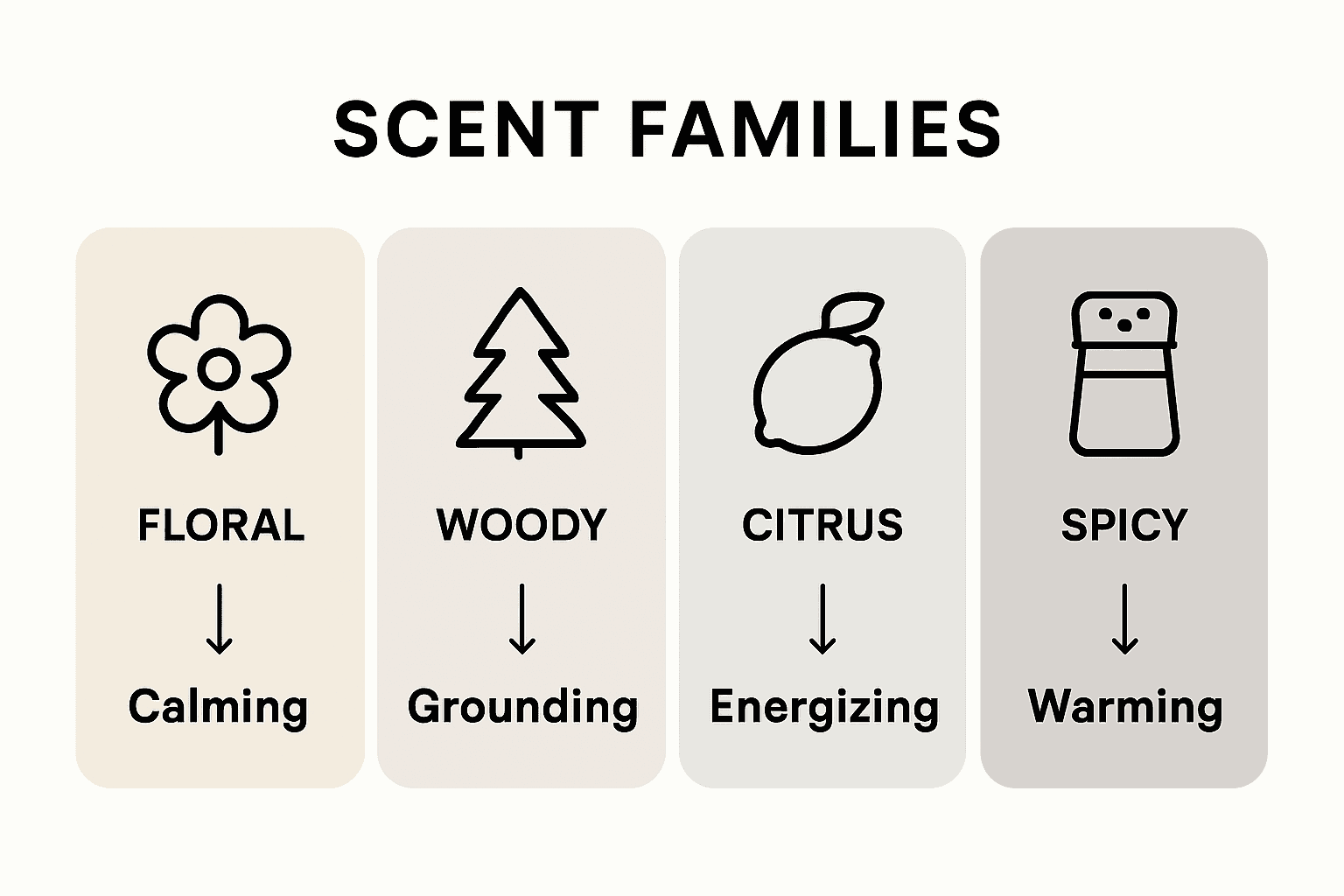
Citrus and Fresh Scent Family Citrus fragrances such as lemon, bergamot, and grapefruit are energizing and purifying. They introduce a sense of cleanliness and vitality, making them perfect for kitchens, bathrooms, and entryways. These scents can instantly refresh a space, creating an inviting and invigorating environment.
Spicy and Oriental Scent Family Spicy fragrances like cinnamon, cardamom, and vanilla offer warmth and sophistication. They are particularly effective in creating intimate, luxurious atmospheres in dining rooms and bedrooms. These complex scents can evoke memories and create a sense of comfort and indulgence.
Pro Tip for Scent Selection: Rotate your home’s fragrances seasonally, selecting lighter, fresher scents for summer and warmer, richer fragrances for winter to maintain a dynamic and responsive home atmosphere.
Scent Family Characteristics:
Here’s a comparison of scent families, their typical uses, and their psychological effects:
| Scent Family | Ideal Room Usage | Psychological Effect |
|---|---|---|
| Floral | Bedrooms, Offices | Calms and soothes emotions |
| Woody | Living rooms, Studies | Grounds and promotes stability |
| Citrus | Kitchens, Entryways | Energizes and uplifts mood |
| Spicy | Dining rooms, Bedrooms | Adds warmth and stimulates creativity |
- Floral: Calming, elegant, versatile
- Woody: Grounding, natural, stabilizing
- Citrus: Energizing, clean, refreshing
- Spicy: Warm, intimate, sophisticated
Methods for Incorporating Fragrance at Home
Multi-sensory design research reveals that fragrance integration is a sophisticated art form extending far beyond simply placing a candle on a table. Modern interior design approaches emphasize strategic scent placement that transforms living spaces into immersive sensory experiences.
Diffusion Methods Fragrance diffusers represent the most sophisticated and controllable method of scent distribution. Electric diffusers allow precise intensity control, while reed diffusers provide a more subtle, constant ambient fragrance. Olfactory storytelling principles suggest positioning diffusers in areas where people naturally congregate to maximize sensory impact.
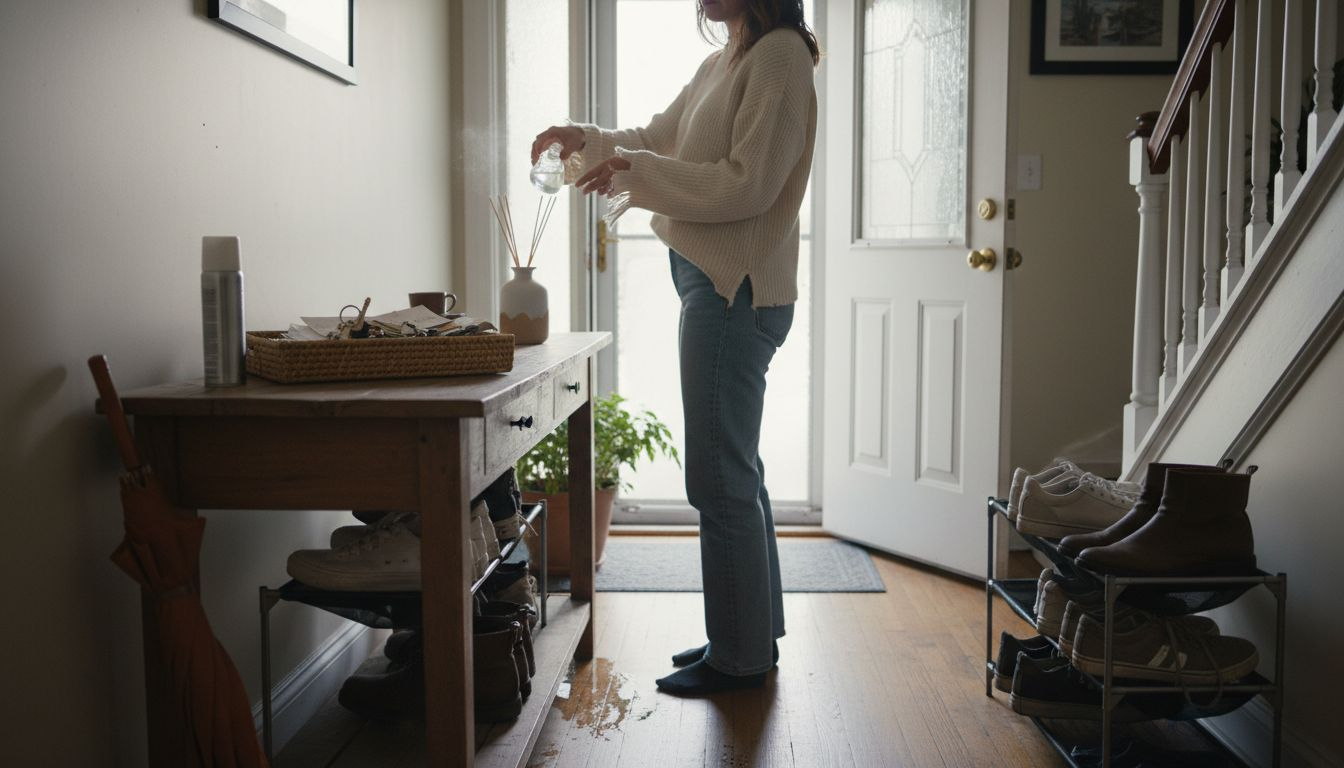
Candle and Wax Strategies Scented candles offer dual functionality, providing both fragrance and atmospheric lighting. Strategically placing candles in entry areas, living rooms, and bathrooms creates layered sensory experiences. Consider rotating candle placements to prevent olfactory fatigue and maintain a dynamic home environment.
Natural Fragrance Techniques Natural fragrance methods include using fresh herbs, dried lavender bundles, essential oil-infused textiles, and strategically placed botanical arrangements. These organic approaches provide subtle, evolving scent profiles that connect interior spaces with natural elements.
Room-Specific Fragrance Approaches Different rooms demand unique fragrance strategies. Bedrooms benefit from calming lavender or chamomile, home offices from stimulating citrus or mint, while kitchens appreciate fresh, clean scents like lemon or eucalyptus. Matching fragrances to room functions creates harmonious living environments.
Pro Tip for Fragrance Layering: Create a harmonious home scent profile by selecting complementary fragrances that transition smoothly between rooms, avoiding overwhelming or conflicting aromas.
Fragrance Application Methods:
To help select the best fragrance method, here is a summary of popular scent application techniques and their advantages:
| Method | Key Benefit | Best Suited Spaces |
|---|---|---|
| Diffusers | Adjustable intensity | Living areas, Shared rooms |
| Candles | Adds soft lighting | Bathrooms, Entryways |
| Natural Elements | Organic and subtle | Bedrooms, Meditation spaces |
| Scented Textiles | Portable, long-lasting | Closets, Offices |
- Diffusers: Precise, controllable distribution
- Candles: Atmospheric and decorative
- Natural elements: Subtle, organic approaches
- Essential oil textiles: Portable, flexible scenting
Psychological and Emotional Impact of Scents
Hedonic olfactory research demonstrates that fragrances are powerful psychological triggers that extend far beyond simple sensory perception. Our sense of smell directly connects to the brain’s limbic system, which governs emotional processing, memory formation, and subconscious responses, making scents extraordinary tools for emotional manipulation and environmental design.
Memory and Emotional Triggers Scents possess an extraordinary ability to instantly transport individuals through time and emotional landscapes. A specific fragrance can immediately recall childhood memories, evoke past relationships, or trigger profound emotional states. Lavender might summon memories of grandmother’s garden, while cedar could reconnect someone with childhood camping experiences, illustrating the deep neurological connection between olfactory stimuli and emotional memory.
Mood Regulation and Psychological Impact Research on olfactory perception reveals that specific fragrances can systematically influence psychological states. Citrus scents can elevate energy and reduce anxiety, while vanilla and chamomile promote relaxation. These molecular interactions demonstrate how carefully selected fragrances can function as non-invasive psychological management tools within living spaces.
Stress Reduction and Wellness Certain fragrances act as natural stress-reduction mechanisms. Lavender, bergamot, and sandalwood have documented capabilities of lowering cortisol levels, reducing heart rate, and creating physiological calm. By strategically incorporating these scents, individuals can transform their living environments into therapeutic spaces that actively support mental and emotional wellness.
Physiological Response Mechanisms Olfactory stimuli trigger complex neurochemical responses, releasing neurotransmitters like serotonin and dopamine. This means fragrances are not merely pleasant sensations but active agents capable of modifying mood, reducing stress, and potentially improving overall cognitive function.
Pro Tip for Emotional Scent Management: Create a personal fragrance library with 3-4 intentional scents designed to support different emotional states - energizing for mornings, calming for evenings, focusing for work times.
Emotional Impact of Scent Families:
- Floral: Promotes relaxation and emotional healing
- Citrus: Increases energy and reduces anxiety
- Woody: Grounds emotions and reduces stress
- Spicy: Stimulates creativity and warmth
Common Mistakes to Avoid With Interior Fragrances
Consumer behavior research reveals that fragrance selection is a nuanced art form with significant potential for error. Understanding common pitfalls can transform your home’s olfactory environment from overwhelming and disruptive to harmonious and emotionally supportive.
Intensity Overload One of the most frequent mistakes is using fragrances that are too strong or concentrated. Powerful scents can create sensory fatigue, causing headaches and discomfort for inhabitants and guests. Instead, opt for subtle, layered fragrances that gently permeate spaces without dominating the sensory landscape.
Inappropriate Scent Matching Health impact studies demonstrate that mismatched fragrances can negatively affect psychological well-being. Different rooms require different scent profiles. A stimulating citrus scent perfect for a home office would feel jarring in a bedroom designed for relaxation. Understand each space’s functional purpose before selecting its signature fragrance.
Neglecting Seasonal Transitions Many homeowners forget that fragrance preferences change with seasons. Heavy, warm scents that comfort during winter can feel oppressive in summer. Developing a rotating fragrance collection allows your home’s atmosphere to breathe and adapt, maintaining sensory relevance throughout the year.
Chemical Composition Concerns Cheap, synthetic fragrances often contain harmful volatile organic compounds that can trigger allergies and respiratory issues. Prioritize natural, high-quality essential oils and responsibly sourced fragrances that support both aesthetic and health objectives.
Pro Tip for Fragrance Harmony: Create a scent map for your home, documenting each room’s intended emotional tone and selecting complementary fragrances that support those specific atmospheric goals.
Key Fragrance Mistakes to Avoid:
- Overwhelming scent intensity
- Mismatched room fragrances
- Ignoring seasonal variations
- Using low-quality synthetic scents
Elevate Your Home Atmosphere with Thoughtful Fragrance Choices
Understanding the role of fragrance in interior design means recognizing the challenge of creating a balanced, emotionally supportive scent experience in every room. Many homeowners struggle with scent intensity overload or choosing fragrances that do not complement their space’s purpose. At Aromel Scents, we help you solve these issues with our thoughtfully curated Fragrances collection and precise Diffusers designed for controlled scent delivery. Our solutions enable you to craft personalized scent profiles that match your home’s mood and function, enhancing comfort and wellbeing.

Discover the art of scent layering and room-specific fragrance design with our exclusive Bundles that combine complementary aromas for a harmonious home environment. Shop now at Aromel Scents to transform your living spaces with subtle, yet powerful fragrances. Take advantage of free shipping on orders over $50 and start creating a sensory atmosphere that truly reflects your style and enhances your emotional wellness today.
Frequently Asked Questions
How can fragrance influence the atmosphere in my home?
Fragrance can transform spaces by evoking emotions, influencing moods, and creating specific atmospheres that enhance the overall living experience.
What are the best fragrance families to use in different rooms?
Floral scents are ideal for bedrooms and offices to promote relaxation, woody scents work well in living rooms for grounding, citrus scents invigorate kitchens and entryways, while spicy scents create warmth in dining rooms and bedrooms.
How do I choose the right intensity of fragrance for a room?
Match the fragrance intensity to the room size and purpose; use subtle scents in larger spaces and more pronounced fragrances in smaller areas to avoid overwhelming the senses.
What are some common mistakes to avoid when incorporating fragrance in interior design?
Common mistakes include using scents that are too strong, mismatching fragrances to room purposes, ignoring seasonal scent changes, and using synthetic fragrances that may harm indoor air quality.
Recommended
- Why Fragrance Collections Matter for Homes – Aromel
- What Is a Decorative Diffuser and Why It Elevates Homes – Aromel
- How to Style With Scented Candles for Home Ambiance – Aromel
- Seasonal Scents Explained: Complete Guide for Homes – Aromel
- 7 топ съставки за парфюми и как влияят върху привлекателността – Pheromante